
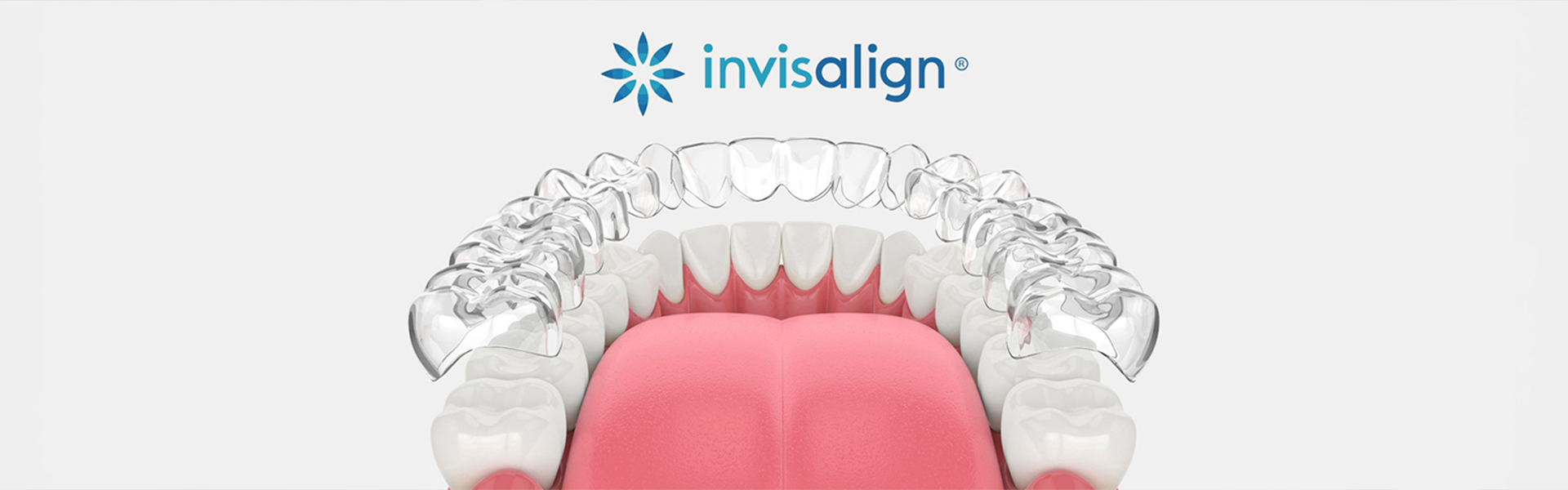
Types of Dental Problems Invisalign Can Correct
With Invisalign, a sequence of transparent trays gently shifts teeth toward their ideal alignment.
Movements are planned digitally and advanced in small steps for comfort and control. If you’re considering Invisalign in Carrollwood, Tampa, FL, this guide explains which bite issues aligners can address, how treatment works, and what helps results last. Those pauses often show up the next day as low energy, changes in mood, or trouble focusing.
A Quick Look at Candidacy
- Most helpful for mild to moderate alignment and bite concerns
- Planned with 3D scans; trays changed every 1–2 weeks
- Wear time matters: 20–22 hours per day
- Small “attachments” and elastics can increase precision
- Retainers protect results after active treatment
Crowding, Unraveled: How Aligners Create Space
Crowding happens when there isn’t quite enough room, so teeth overlap or rotate to fit. That makes cleaning tougher and raises the risk of plaque and gum irritation.
How Invisalign helps:
- Sequences movements to “share” space across the arch
- Uses selective polishing between teeth when appropriate
- Adds attachments to rotate stubborn teeth
- Many patients notice easier flossing and a more even smile line as space is created thoughtfully over time.
Mind the Gap: Closing Spaces Between Teeth
Gaps can come from small tooth size, missing teeth, or habits that push teeth apart. The extra space can catch food, and many people notice a gentle whistling sound when forming certain words. What aligners can do: bring teeth into contact with controlled, staged movements. In some cases, the plan includes minor bonding or reshaping for ideal proportions. If you’re comparing options with an Invisalign dentist near you, ask to see a digital preview of space closure and the retainer plan to prevent relapse.
Overbite, Tamed: Reducing Excess Overlap
An overbite means the upper front teeth cover more of the lower than is ideal. This can wear enamel and strain the jaw joints.
Common aligner strategies include:
- Moving the upper teeth slightly back and the lower teeth forward
- Controlling vertical position with built-in bite ramps
- Using light elastics to guide the arches together
- Results focus on even contact, comfortable chewing, and a balanced profile, not just straight front teeth.
Underbite, Eased: Coordinating Upper and Lower Arches
An underbite occurs when the lower front teeth push past the upper teeth, often leading to challenges with proper chewing and speaking clearly. Many mild to moderate cases improve with aligners that guide both arches into better balance. When jaw size differences are larger, a combined approach may be discussed. During a consult, a dentist near you in Carrollwood, Tampa, FL can assess whether aligners alone will meet your goals.
Crossbite Course Correction: Bringing Teeth Back in Line
A crossbite happens when some upper teeth bite inside the lower. It may involve front teeth, back teeth, or both, and can lead to uneven wear or gum recession.
Aligners can help by:
- Moving individual teeth or small groups across the bite
- Using attachments, precision cuts, and elastics for control
- Pairing with careful retention to keep the correction stable
Step-By-Step: How Invisalign Works
- Digital Map: 3D scans capture tooth positions and plan each movement.
- Custom Trays: Aligners are made to advance the plan in gentle steps.
- Steady Wear: Most patients switch trays every 1–2 weeks for 20–22 hours daily.
- Refinements: Extra trays may fine-tune contacts and bite.
- Retainers: Long-term retainers maintain your hard-earned alignment.
Benefits, and What to Keep in Mind
Benefits: Discreet look, removable for meals and hygiene, fewer emergencies, and comfortable edges.
What to keep in mind: Consistent wear is essential; some complex skeletal bites need combined therapy; refinements are common to perfect the bite and contacts. Your dentist will discuss whether aligners, braces, or a hybrid plan offers the most predictable path.
When to See a Dental Professional
Book an evaluation if you notice:
- Overlapping or rotated teeth that are hard to clean
- Spaces that trap food or affect speech
- Deep overbite, underbite, or crossbite patterns
- Chipping, uneven wear, or gum recession tied to your bite
- A dentist can study your bite, show digital simulations, and outline a clear aligner plan tailored to your goals.
FAQs
Final Thoughts
Invisalign can address crowding, gaps, overbites, underbites, and many crossbites with a clear, removable approach that fits daily life. Results come from good planning, steady wear, and a reliable retainer routine. If you’re ready to compare options and timing in Carrollwood, a consultation can clarify candidacy and next steps. For supportive guidance and personalized planning, the team at Bay Premier Dentistry is here to help you move forward confidently.