
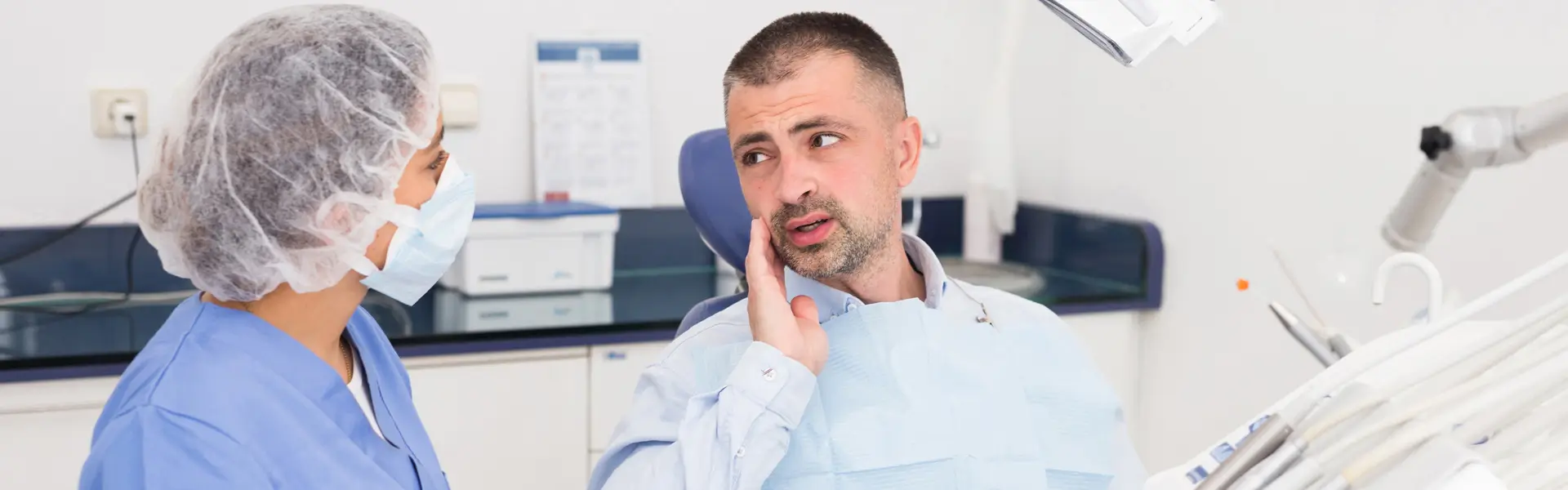
Emergency Dentistry: What to Do When You Have Sudden Tooth Pain
Sudden tooth pain usually indicates inflammation inside the pulp chamber, where nerve tissue and blood vessels are enclosed within hard enamel and dentin. Because this space cannot expand, fluid buildup increases internal pressure and stimulates nerve fibers. That pressure creates throbbing or sharp pain that may worsen with temperature or chewing. Evaluation by an emergency dentist in Tampa becomes necessary if swelling, fever, or prolonged discomfort suggest bacterial spread beyond the root tip into the surrounding bone.
Clinical examination focuses on determining whether the pulp is inflamed but still vital, or whether circulation has been lost. That difference affects whether the tooth can recover or whether infected tissue must be removed to prevent further bone involvement.
Common Causes Of Sudden Tooth Pain
Dental decay moves from enamel into dentin and may reach the pulp. Bacterial toxins inflame nerve tissue and reduce blood flow. If circulation drops, the pulp can break down, and infection may spread toward the surrounding bone. X-rays help detect early bone changes near the root. Cracks can also cause pain by transmitting pressure to the periodontal ligament, which connects the root to the bone and contains sensory fibers. Gum infection weakens attachment fibers and reduces bone support over time. Grinding adds repeated force, straining the ligament and affecting bite alignment, which may increase discomfort during chewing.
When Tooth Pain Is A Dental Emergency
Certain findings increase concern for spreading infection or structural instability:
- Visible facial swelling suggests bacteria may have moved into the surrounding soft tissue spaces.
- Fever combined with localized dental pain indicates a systemic inflammatory response.
- Continuous severe pain that does not improve with medication may reflect pulp necrosis and pressure accumulation at the root tip.
- Difficulty swallowing or breathing requires urgent medical attention due to potential airway compromise.
A dentist in Tampa, FL would assess tissue expansion, perform vitality testing, and obtain imaging to evaluate bone condition. If infection has extended beyond the canal system, removal of infected tissue or drainage may be required to reduce bacterial load. In some cases, antibiotics are considered when systemic signs are present. Monitoring alone is not appropriate when bone involvement or facial swelling is detected.
What To Do At Home Before Seeing An Emergency Dentist
Temporary measures may help reduce irritation while waiting for clinical assessment. These steps do not eliminate infection or repair structural damage.
- Rinsing with warm salt water may decrease surface bacteria and soothe inflamed gum tissue.
- Applying a cold compress externally can limit fluid accumulation in soft tissue.
- Anti-inflammatory medication taken as directed may reduce nerve sensitivity.
- Avoiding pressure on the affected side prevents additional stress on the ligament and surrounding bone.
If a tooth has been completely displaced, gentle reinsertion into the socket may preserve periodontal ligament cells that are critical for healing. If reinsertion cannot be performed immediately, placing the tooth in milk helps maintain cell viability. A dentist near you would inspect clot formation, assess root surface integrity, and determine whether stabilization is feasible depending on the condition.
What An Emergency Dentist Will Do To Treat Tooth Pain
Diagnosis begins with clinical inspection and radiographs to evaluate decay depth, fracture lines, and bone density around the root tip. Thermal testing and percussion help determine pulp vitality and ligament sensitivity. Treatment is selected according to tissue status and structural stability.
- Root canal treatment removes infected pulp tissue, disinfects the canal system, and seals the space to prevent bacterial re-entry into the bone.
- Placement of a crown reinforces weakened enamel and restores functional alignment during chewing.
- Extraction may be necessary if the fracture extends below the gumline or if bone support is insufficient to maintain stability. Removal allows controlled clot formation and gradual healing of the surrounding tissue.
- Periodontal therapy addresses gum infection by eliminating subgingival bacterial deposits and monitoring bone response over time.
The best dentist in Tampa evaluates long-term function, remaining bone support, and healing potential before recommending any procedure. Decisions are guided by radiographic findings and clinical examination rather than symptom intensity alone.
How To Prevent Sudden Tooth Pain In The Future
Effective plaque control limits bacterial accumulation that damages enamel and supporting tissue. Brushing twice daily and flossing daily disrupts biofilm before it penetrates deeper layers. Routine examinations allow identification of small cavities before pulp involvement occurs.
Bite alignment should be reviewed if signs of grinding or uneven wear appear. Redistribution of force through a protective appliance may reduce ligament strain and help preserve bone support. Early management of minor fractures or gum inflammation decreases the likelihood of infection spreading into deeper structures.
Consistent monitoring supports stable attachment levels and reduces the risk of sudden inflammatory episodes.
Final Thoughts
Tooth pain reflects inflammation within nerve tissue, infection at the root tip, or stress on the supporting ligament and bone. Careful evaluation identifies whether the condition involves reversible irritation, structural compromise, or bacterial spread into adjacent tissue. Treatment selection depends on bone integrity, vitality testing, and expected healing response. At Bay Premier Dentistry, clinical findings guide each decision to control infection, protect surrounding structures, and monitor recovery responsibly.