
How Long Do Dental Implants Last and How to Care for Them
Dental implants are one of the most reliable ways to replace missing teeth. They look natural, feel secure, and help restore normal chewing and speaking. Many people choose Dental Implants in Tampa because they want a long-term solution instead of removable dentures or bridges. But one common question remains: how long do implants actually last?
Proper daily care and regular dental visits can help dental implants stay in good condition for decades. Your daily habits, oral hygiene, and regular dental visits all play a major role in keeping them healthy. Understanding how implants work and how to protect them can help you enjoy a strong and confident smile for decades.
How Long Can Dental Implants Typically Last?
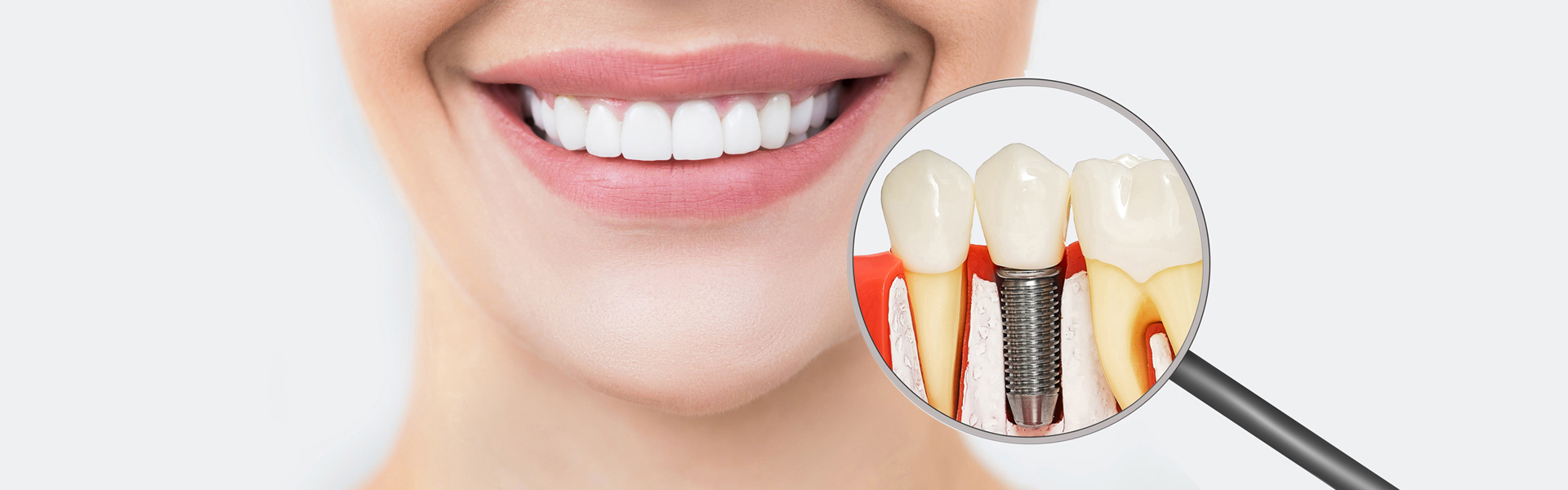
Dental implants provide a durable solution for people with missing teeth. In many cases, the implant post itself can last 20 years or longer. Some patients keep their implants for a lifetime.
The visible crown attached to the implant may need to be replaced after 10 to 15 years due to normal wear. However, the titanium implant placed in the jawbone is designed to remain stable for much longer.
The American Academy of Implant Dentistry notes that dental implants can achieve a success rate of over 95% with consistent care and regular checkups. Their durability makes them one of the most trusted solutions for:
- Missing one or multiple teeth
- Loose dentures
- Trouble chewing food
- Speech problems caused by tooth loss
- Bone loss in the jaw
Unlike traditional dentures, implants also help support the jawbone and maintain facial shape over time.
Factors That Affect the Lifespan of Dental Implants
Several factors influence how long implants remain healthy and functional.
Oral Hygiene Habits
Good brushing and flossing are essential. Plaque and harmful bacteria may accumulate around implants, increasing the risk of gum problems or implant complications.
Gum and Bone Health
Healthy gums and a strong jawbone support are important for implant stability. Bone loss or untreated gum disease can weaken the area around the implant.
Smoking and Tobacco Use
Smoking slows healing and reduces blood flow to the gums. Studies show smokers have a higher risk of implant complications.
Teeth Grinding
Grinding or clenching teeth places extra pressure on implants. A nightguard may help protect the restoration from damage.
Regular Dental Visits
Routine checkups help your dentist spot small issues before they become major problems. Professional cleanings also remove buildup that cannot be cleaned at home.
Daily Care Tips to Keep Your Implants Healthy
Dental implants do not get cavities, but the surrounding gums still need daily care. Consistent hygiene habits are the key to long-term success.
Brush Twice Every Day
Use a soft-bristled toothbrush and fluoride toothpaste. Brush gently around the implant and gumline.
Floss Carefully
Floss every day to help clear plaque from between the teeth and around the implant area. Special implant floss or water flossers may help clean hard-to-reach areas.
Use an Antibacterial Mouthwash
An alcohol-free rinse can support gum health by helping lower harmful bacteria in the mouth.
Stay Hydrated
Dry mouth can increase bacterial growth. Drinking enough water supports saliva production and oral health.
Follow Your Dentist’s Instructions
Every patient heals differently. After implant placement, follow all recovery guidelines provided by your dental team.
Many patients who visit a Dentist in Tampa for implants are surprised to learn that simple daily habits make the biggest difference in implant longevity.
Foods and Habits to Avoid After Getting Implants
Your implant needs time to heal and bond with the jawbone. Certain foods and habits can interfere with recovery or damage the restoration.
Foods to Limit During Healing
Avoid:
- Hard candies
- Ice
- Sticky caramel or chewing gum
- Crunchy chips
- Very hot foods immediately after surgery
Soft foods are usually recommended during the early healing phase.
Habits That Can Harm Implants
Smoking
Smoking increases the risk of infection and delayed healing.
Using Teeth as Tools
Do not open packages or bite hard objects with your teeth.
Skipping Dental Cleanings
Professional cleanings help protect the gums around implants.
Poor Oral Hygiene
Ignoring daily brushing and flossing can lead to peri-implantitis, a gum infection that affects implants.
If you notice swelling, bleeding gums, or discomfort around an implant, contact a Dentist near you as soon as possible.
When to Visit Your Dentist for Implant Checkups
Regular implant checkups are important even when everything feels normal.
Most Dentists Recommend:
- Dental exams every six months
- Professional cleanings to remove plaque buildup
- X-rays when needed to monitor bone health
- Bite evaluations to check pressure on the implant
Regular checkups help your dental team track healing progress and confirm that the implant stays stable.
You should schedule an appointment sooner if you experience:
- Pain around the implant
- Loose feeling in the restoration
- Gum swelling or bleeding
- Difficulty chewing
- Changes in bite alignment
Prompt dental care can reduce the risk of larger complications later on.
Why Dental Implants Are a Long-Term Investment
Dental implants help restore both the function and appearance of your smile. They also help:
- Restore confidence while smiling
- Improve speech clarity
- Support comfortable chewing
- Maintain facial structure
- Reduce bone loss in the jaw
For many adults, implants provide a stable and natural-looking option that improves daily comfort and quality of life.
Patients who need a professional implant dentist in Tampa often choose implants for a solution that feels secure and long-lasting rather than temporary.
Final Thoughts
Dental implants are built to provide long-lasting support, comfort, and function. With healthy daily habits and regular checkups, many people enjoy their implants for decades. If you are dealing with missing teeth, loose dentures, or difficulty chewing, a dental implant consultation may help you explore the right treatment option for your smile.
Bay Premier Dentistry provides personalized implant care, comprehensive evaluations, and long-term support to help patients restore healthy and confident smiles. Besides Tampa, we also serve people coming from areas such as Carrollwood, Temple Terrace, and Northdale.